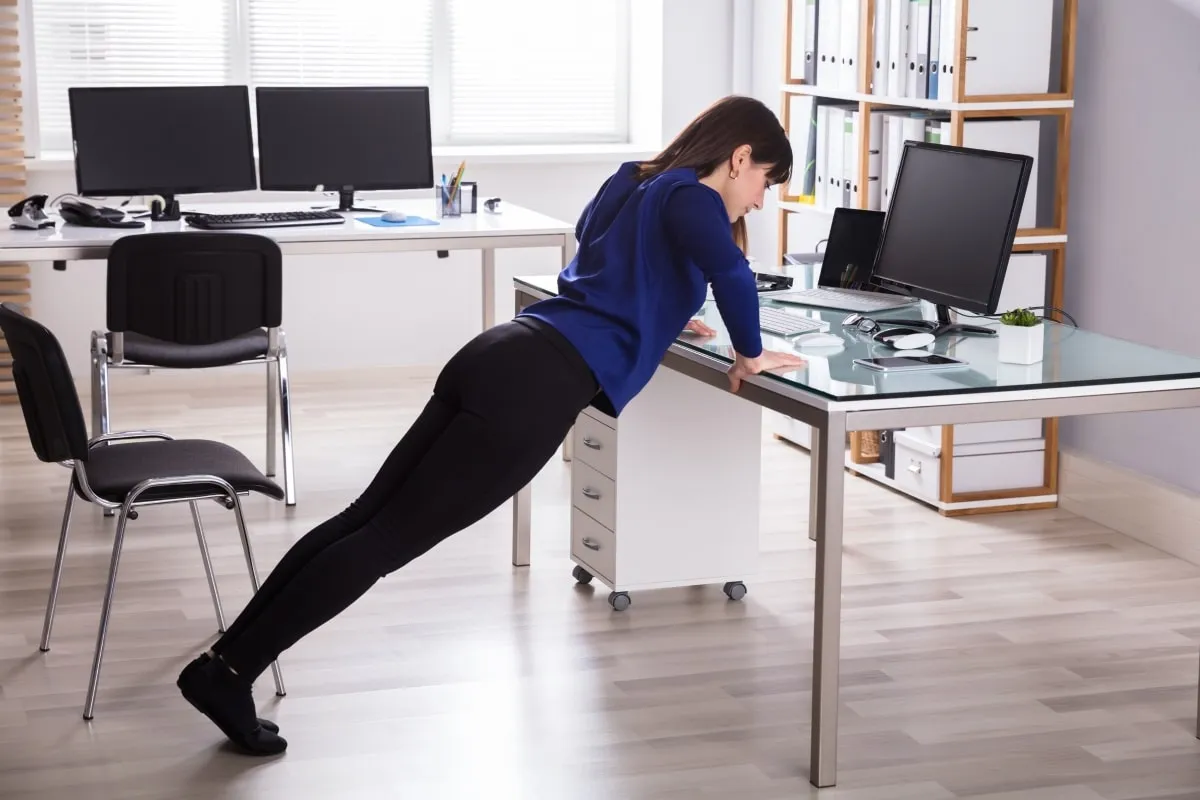
Forward Head Posture
Monitor positioned too low or too far causes cervical extensor overload. Address with chin tuck sequences.
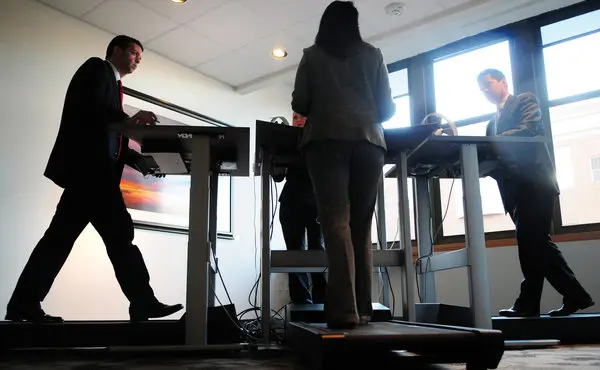
Select a highlighted joint or tension zone to open the diagnostic drawer with cause analysis and recommended calibrations.

Each node corresponds to a common workstation strain pattern caused by prolonged screen time, static seating, or repetitive input device use.
The diagnostic drawer provides a neutral explanation of the biomechanical mechanism and a practical movement sequence you can perform at your desk without equipment.
Monitor positioned too low or too far causes cervical extensor overload. Address with chin tuck sequences.
Chair depth mismatch compresses lumbar discs over hours. Pelvic tilt cycles restore neutral spine position.
Keyboard angle forces sustained wrist extension. Prayer and flexor stretches release median nerve pathway pressure.
Combine diagnostic insights with automated calendar reminders using the Active Sync Ledger.
Open Scheduler